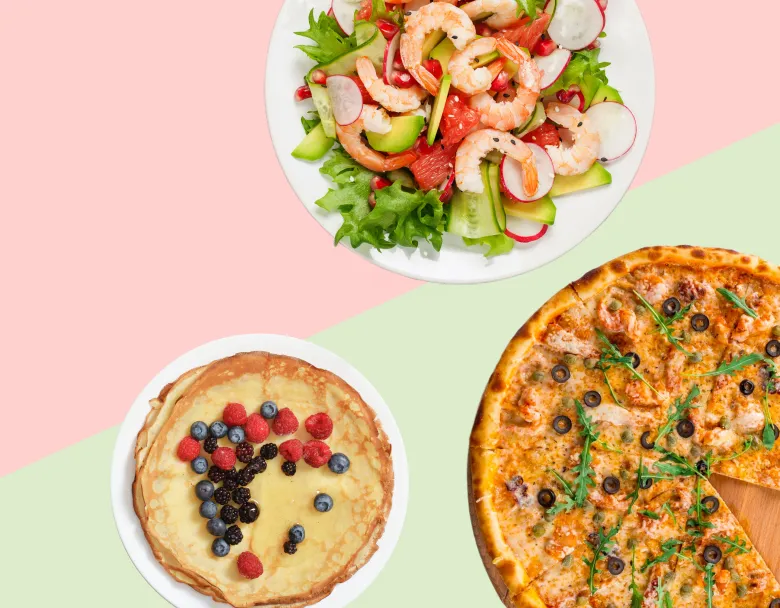
Compared to traditional calorie reduction over a long period, intermittent fasting has the distinct advantage of maintaining your basal metabolic rate. It also helps prevent overeating that can occur due to prolonged hunger, which could otherwise undermine your efforts. However, what you eat during your eating window is still crucial. If you consume foods like refined starches and sweets, it will significantly reduce the effectiveness of your fasting routine.
Importance of Food Choices:
Current research suggests that you should consume enough high-quality protein along with the right amounts of fats and carbohydrates. Focus on whole, unprocessed foods like sweet potatoes and pumpkin, and avoid refined carbohydrates like cake. Consider following meal plans inspired by low-sugar diets, the DASH diet, or the Mediterranean diet for balanced nutrition.
Lastly, remember that diet is based on science, not dogma. For evidence-based dietary recommendations, it’s important to consult with your primary care physician or a registered dietitian, especially if you have any specific health concerns.
Start Your Fasting Journey
Track your fasting windows and reach your health goals with GoFasting.