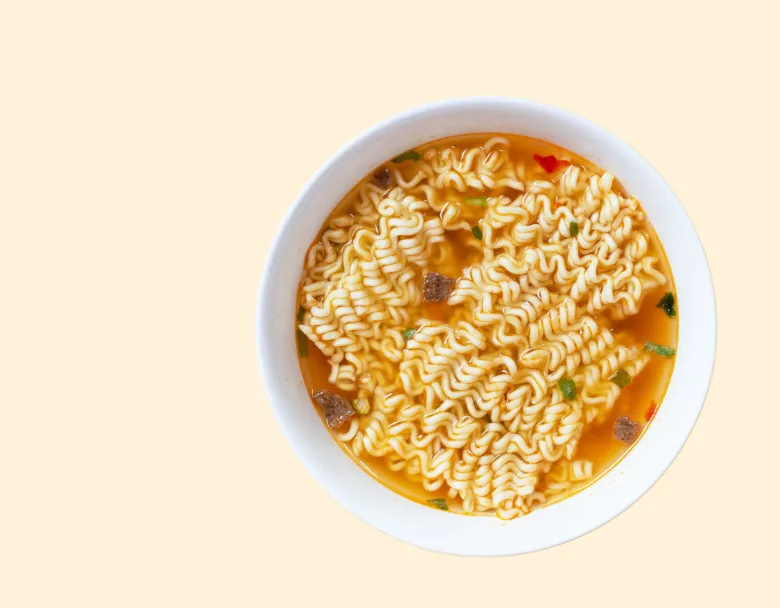
"Ultra-processed food" generally refers to industrially produced foods that are mixtures of oils, fats, sugars, starches, and proteins. These foods often contain artificial flavors, colors, emulsifiers, preservatives, and other additives that prolong shelf life and increase profits, but they are classified as junk food with low nutritional value. Early research has linked these foods to high blood pressure, obesity, depression, type 2 diabetes, and some cancers.
Ultra-Processed Foods and Telomere Shortening
A new study presented at the International Obesity Conference found that consuming more than three servings of ultra-processed foods a day is associated with shorter telomeres, the protective caps at the ends of chromosomes. Shorter telomeres are linked to accelerated aging and increased risk of chronic diseases.
Role of Telomeres in Aging
Telomeres shorten with each cell division and naturally shrink with age, making telomere length a useful marker of biological age. Research has shown that diet plays a significant role in the rate of cellular aging.
Study Details and Findings
In this study, 886 participants (645 men and 241 women) aged 57 to 91 were divided into four groups based on their average consumption of ultra-processed foods. The study found that the three groups with higher consumption of these foods had a 29%, 40%, and 82% increased risk of telomere shortening, respectively, compared to the group with the lowest intake. The group with the highest intake of ultra-processed foods also had a higher risk of developing cardiovascular disease, diabetes, and dyslipidemia.
Start Your Fasting Journey
Track your fasting windows and reach your health goals with GoFasting.