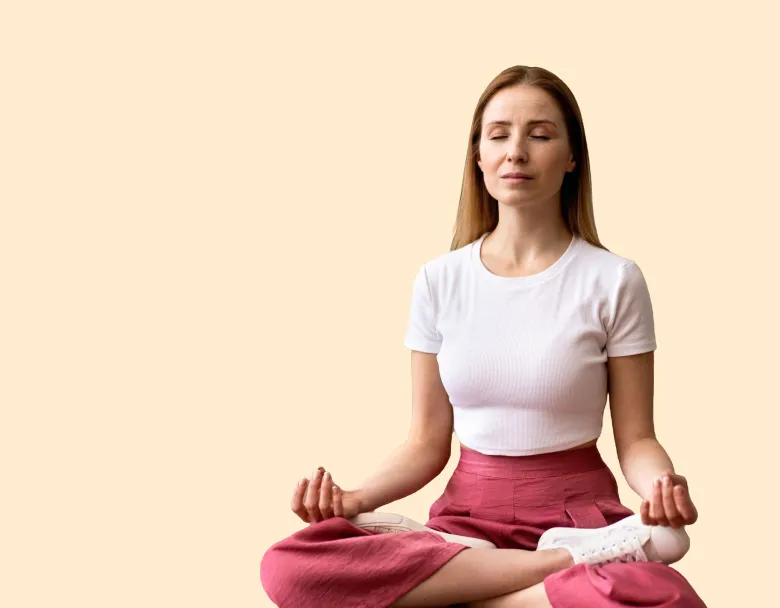
1. Reduce Anxiety, Heal Trauma, and Enhance Spiritual Energy
Can meditation help reduce anxiety? Studies have shown that students who complete an 8-week yoga meditation program experience increased density in the hippocampus, the brain region responsible for learning and emotions. This leads to a calmer response to crises and fears and improves their ability to cope with stress and setbacks. Another psychological study also showed that yoga and meditation significantly improved compulsive behavior treatment in individuals with post-traumatic stress disorder (PTSD).
2. Effective Management of Emotions, Changing Bad Habits
Meditation does not make emotions disappear, but it can help identify the cause of emotions early, preventing them from escalating. Better emotional control increases self-awareness, improving the success rate of quitting bad habits.
3. Enhance Cognition
A study in the United States showed that 60 participants aged 22 to 69 who continued to meditate after three months of meditation training performed better on cognitive tests seven years later than those who did not continue practicing.
4. Improve the Quality of Sleep
Meditation can be an effective way to combat sleep deprivation and gradually improve sleep problems. Studies have shown that just 10 minutes of meditation is equivalent to 44 minutes of extra sleep per night.
5. Healthier
How can you prove that meditation can reduce anxiety and stress? Look at vital signs such as blood pressure, pulse, and inflammation. Several studies have shown that meditation can reduce the risk of heart disease, stroke, and cancer. Mental health improvements naturally lead to better physical health.
Start Your Fasting Journey
Track your fasting windows and reach your health goals with GoFasting.